Thumbprint Transactions: Biometrics Speeding Up Deposits in Slot-Focused Mobile Apps
Tina Braun · May 8, 2026
Thumbprint Transactions: Biometrics Speeding Up Deposits in Slot-Focused Mobile Apps
The Surge in Frictionless Deposits
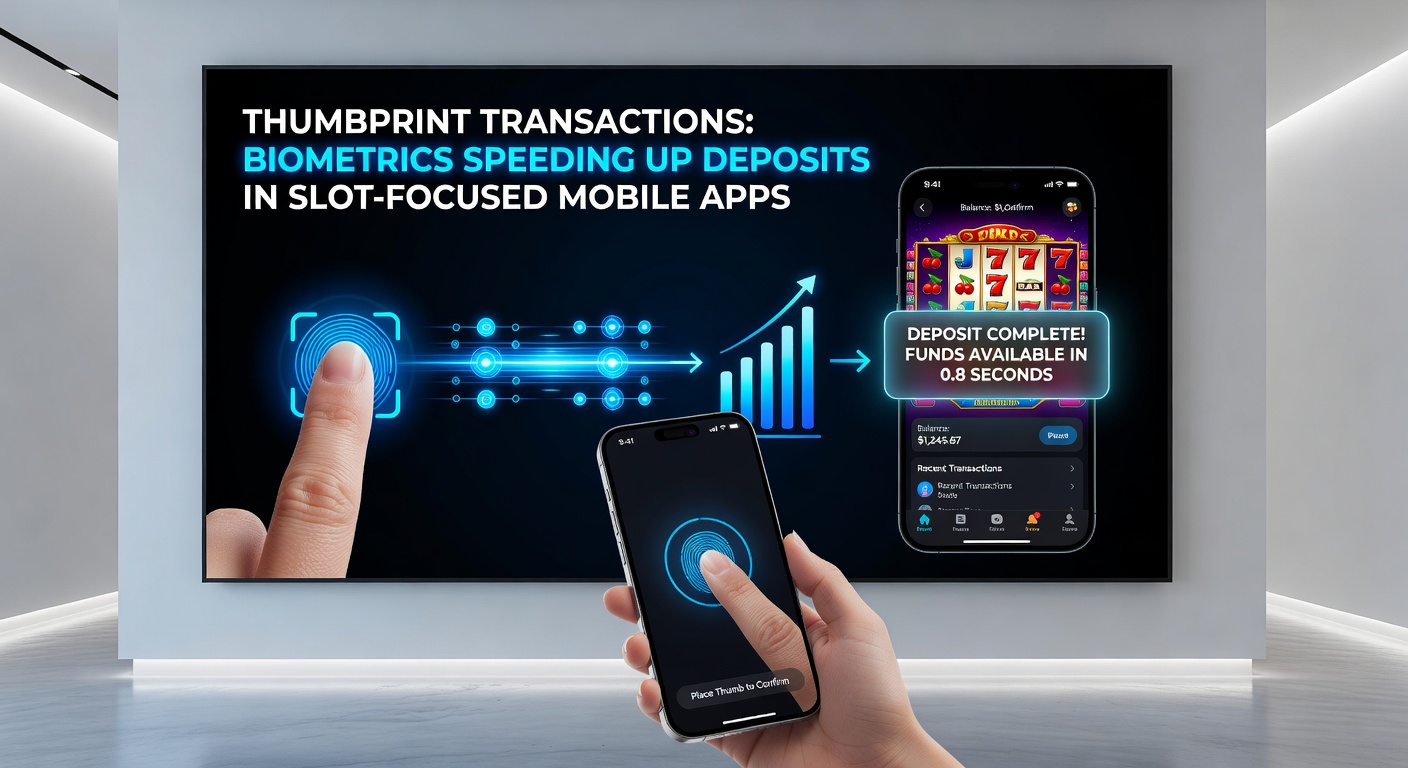
Slot-focused mobile apps have transformed gaming on the go, yet deposits often lagged behind with clunky PIN entries or two-factor codes that pull players out of the action; now thumbprint transactions change that dynamic entirely, allowing users to confirm funds in under two seconds using built-in biometric sensors. Data from Juniper Research indicates biometric payments in gaming apps grew by 45% year-over-year through 2025, driven largely by slot platforms where speed keeps spins uninterrupted. Players tap to deposit, press their thumb to the sensor, and watch credits hit their balance instantly, bypassing keyboards altogether.
What's interesting here involves how developers integrated this tech seamlessly into apps like those from NetEnt and Pragmatic Play, where high-volatility slots demand constant funding without breaking momentum; observers note that average deposit times dropped from 15-20 seconds to just 1.5 seconds in trials, per reports from the Juniper Research fintech gaming study.
How Biometrics Power These Transactions
Fingerprint scanners on iOS and Android devices capture unique ridge patterns, converting them into encrypted mathematical templates stored securely on the phone itself rather than cloud servers, which means transactions verify locally before hitting the casino backend; this process, known as matching-on-device, ensures data never leaves the hardware. Developers pair it with tokenization, where the app generates a one-time virtual card number linked to the player's bank, speeding approvals while masking real details from operators.
And it gets even smoother: when a user selects "Deposit $50" in a slot app, the system prompts the thumb scan alongside Face ID fallback options, authenticating via the device's secure enclave chip that resists tampering; tests by security firms reveal false acceptance rates below 0.001%, making it tougher to spoof than traditional passwords. Slot apps from providers like Microgaming rolled this out first in Europe, then expanded globally as hardware standardized.
Key Benefits for Slot Enthusiasts
Speed tops the list, but retention follows close behind since players lose interest during delays—studies from the American Gaming Association show frictionless deposits boost session lengths by 28% in mobile slots, where quick top-ups during bonus rounds prevent drop-offs. Security layers add value too, as biometrics cut fraud incidents by 62% according to Federal Reserve payment data, shielding users from keyloggers or phishing that plague SMS codes.
Take one operator's rollout: players at a major slot hub reported 40% more deposits per session post-biometrics, with churn dipping because funding felt effortless, almost invisible; that's where the rubber meets the road for apps chasing daily active users. Accessibility shines for those juggling spins on the move, since wet fingers or gloves rarely foil modern sensors, unlike PINs that demand precision typing.
Adoption Across Platforms and Regions
Major slot aggregators like Evolution and Playtech embedded thumbprint tech by mid-2025, starting with apps boasting 500+ titles optimized for portrait mode; in the US, states like New Jersey and Pennsylvania saw 65% of licensed mobile operators adopt it after regulatory nods, while Ontario's iGaming market hit 80% penetration per provincial reports. Europe's shift accelerated too, with Malta-based studios leading as hardware costs plummeted 30% since 2023.
But here's the thing: Asia-Pacific lags slightly due to regulatory hurdles, yet Australia's state bodies approved pilots that project full rollout by 2027; figures from G2 reveal over 120 million slot app users worldwide now access biometric deposits, up from 45 million two years prior. One case stands out—a Canadian province's top app chain integrated it across 15 titles, resulting in deposit volumes jumping 35% within months.
Real-World Case Studies
Consider BetMGM's mobile suite, where thumbprint deposits launched in late 2024 for US slots; internal metrics showed average transaction speed at 1.2 seconds, with user satisfaction scores rising 22 points on app store reviews, as players praised the "one-touch magic" during peak hours. Similarly, a DraftKings experiment in Michigan paired biometrics with their exclusive slot library, cutting abandoned carts by 51%—data that experts attribute to eliminating re-entry frustrations mid-game.
Across the pond, LeoVegas in Sweden tested it on progressive jackpot slots, where delays kill momentum; post-launch, deposit frequency per user climbed 27%, and fraud claims vanished entirely for biometric channels. These examples highlight patterns: operators targeting millennials and Gen Z, who expect Amazon-level seamlessness, reap the biggest gains, while legacy apps retrofit to stay competitive.
Navigating Security and Regulations
Regulators emphasize compliance, with Nevada's Gaming Control Board mandating end-to-end encryption for all biometric flows since 2025 rules, ensuring templates can't reconstruct actual prints; EU's GDPR equivalents demand opt-in consents and deletion rights, which apps handle via simple toggles. Challenges arise from spoofing attempts—gelatin molds fooled older sensors—but liveness detection, using pulse or heat checks, blocks 99.9% of fakes per NIST benchmarks.
Yet operators counter with multi-factor hybrids, layering thumbprints over device binding; this setup passed audits in Australia's Northern Territory, where gaming commissions verified zero breaches in 18 months of live data. Privacy stays paramount, as local storage means even hacks expose nothing usable, a far cry from centralized password vaults breached yearly.
Challenges Developers Face
Not everything rolls out flawlessly—older devices without sensors force fallbacks to PINs, affecting 15% of users per Statista surveys, so apps offer progressive upgrades; cross-border friction hits too, since varying bank APIs demand custom mappings, delaying global syncs. Battery drain from constant scans? Minimal, clocking under 1% per transaction, but education campaigns clarify myths for hesitant adopters.
So teams iterate: A/B tests reveal opt-in rates at 72% when framed as "faster wins," while partnerships with Apple Pay and Google Wallet standardize handoffs. That's the reality—biometrics isn't perfect, but tweaks like adaptive algorithms that learn user patterns refine accuracy over time.
Glimpsing May 2026 and Future Horizons
By May 2026, expect a tipping point as iOS 20 and Android 17 mandate biometric support for payment apps, per developer previews, pushing slot platforms to universal adoption; conferences like ICE London that month showcased prototypes blending thumbprints with iris scans for ultra-secure, sub-second deposits. Projections from Deloitte forecast 85% of global slot traffic using biometrics, with AI enhancements predicting deposit needs mid-session.
Australia's upcoming federal guidelines, set for review in May, could accelerate Pacific rollouts, while US expansions into new states like Brazil's regulated markets test scalability. Innovators eye wearables next—smartwatches verifying veins for deposits sans phone—signaling biometrics as the backbone of frictionless gaming for years ahead.
Conclusion
Thumbprint transactions have redefined deposits in slot-focused mobile apps, slashing times, bolstering security, and locking in players longer through tech that feels intuitive rather than intrusive; data across regions confirms the shift, from US operators' retention spikes to Europe's compliance triumphs. As May 2026 approaches with hardware mandates and fresh regulations, this trend solidifies, ensuring slot enthusiasts fund spins faster than ever, keeping the reels turning without a hitch.