Sound Design in Digital Slots: How Audio Engineering Guides Player Choices and Session Patterns on Mobile Platforms
Tina Braun · Aug 21, 2026
Sound Design in Digital Slots: How Audio Engineering Guides Player Choices and Session Patterns on Mobile Platforms
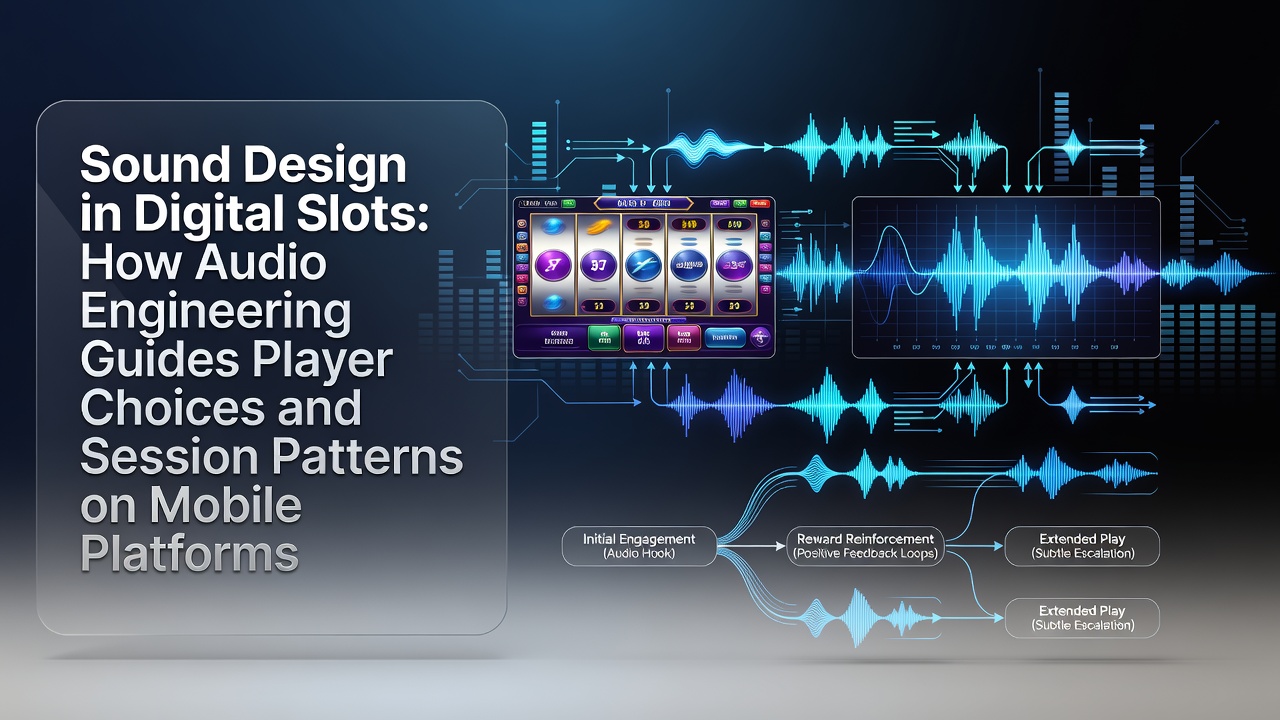
Sound design in digital slots operates through layered audio tracks that respond to player actions in real time, and developers engineer these elements to align with specific behavioral triggers on mobile devices. Research from academic institutions indicates that win chimes, reel spins, and ambient loops combine to shape timing decisions during gameplay, while data from platform analytics reveal consistent shifts in bet sizing when certain audio frequencies activate.
Core Components of Slot Audio Engineering
Audio engineers build slot soundscapes around three primary layers that include background music, event-specific effects, and interactive feedback tones. Each layer uses precise frequency ranges and volume modulation to maintain presence without overwhelming the small speaker systems common in smartphones. Mobile platforms require compression techniques that preserve clarity across varying device outputs, and studies show these adjustments help sustain attention during short play intervals typical of on-the-go sessions.
Psychoacoustic principles guide the selection of sounds that register quickly in noisy environments, and developers test these elements against user retention metrics collected across different regions. In August 2026 several platforms plan updates to spatial audio rendering that simulate directional cues within the phone's stereo field, allowing players to perceive reel positions through subtle panning effects.
Audio Triggers and Player Decision Patterns
Event sounds tied to near-miss outcomes activate specific neural responses according to multiple laboratory experiments, and these cues often precede increased wager amounts in subsequent spins. Players encounter rising pitch sequences during bonus round builds, which correlate with extended session data tracked by app telemetry systems. Observers note that celebratory audio stacks after wins encourage continued play at the same stake level rather than immediate cash-out actions.
Cross-device testing demonstrates that haptic-synced audio pulses produce measurable changes in spin frequency, particularly on devices with strong vibration motors. Industry reports from organizations such as the American Gaming Association document how these synchronized elements appear more frequently in titles designed for North American markets compared with those in Asia-Pacific regions.
Mobile-Specific Session Dynamics
Session length data collected from major app stores shows that titles employing adaptive volume ducking during incoming notifications retain users for longer average durations than static audio implementations. Engineers adjust decay rates on win sounds to match typical mobile usage windows of five to fifteen minutes, and this calibration aligns with patterns observed in commuter and break-time play.
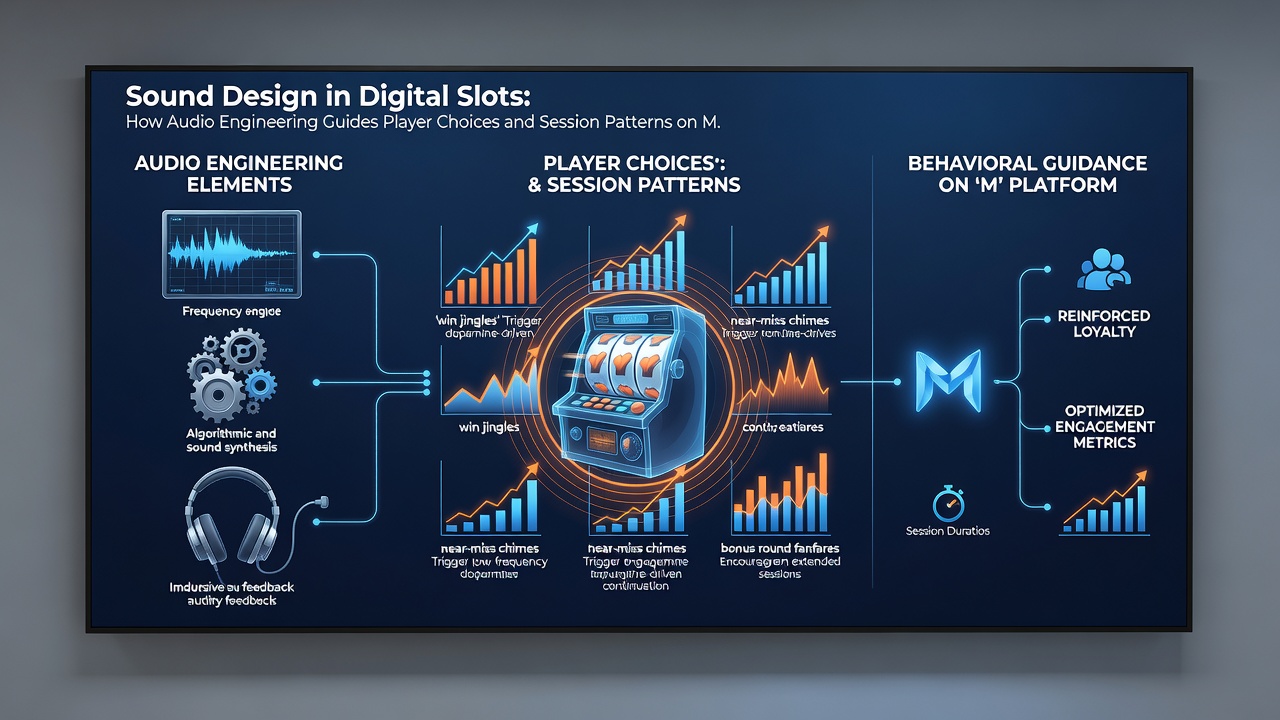
Regional regulatory filings indicate that platforms in Australia and Canada require clear audio toggles within game menus, and these requirements have prompted developers to create multiple preset mixes that players can select based on environment. Figures from app analytics providers reveal higher completion rates for bonus features when background tracks incorporate subtle tempo increases tied to remaining free spins.
Measurement and Iteration Processes
Development teams gather telemetry on audio event triggers and correlate them with bet adjustment timestamps to refine future releases. University-led research projects have mapped player heart rate variability against specific sound events, and the resulting datasets help engineers prioritize which cues to emphasize in updates. Those datasets also highlight differences between portrait and landscape orientations, where vertical play on phones produces distinct engagement curves compared with tablet sessions.
Sound libraries undergo A/B testing across thousands of users before wide deployment, and results feed directly into algorithmic adjustments that modify audio intensity based on time-of-day play statistics. European gaming technology conferences have featured presentations on these testing methodologies, underscoring their role in maintaining consistent performance across diverse hardware configurations.
Conclusion
Audio engineering in mobile slots continues to evolve through integration of real-time data feedback and device-specific optimizations, and these advancements shape both individual spin decisions and overall session trajectories. Platform operators track the cumulative effects of layered sound design on player flow, while regulatory bodies across multiple jurisdictions maintain oversight on transparency features that accompany these systems. Continued refinement of these audio elements reflects ongoing measurement of behavioral indicators collected at scale.