Networked Prize Pools Merge Table Games With Slot Progressives Across Operators
Tina Braun · Jul 19, 2026
Networked Prize Pools Merge Table Games With Slot Progressives Across Operators
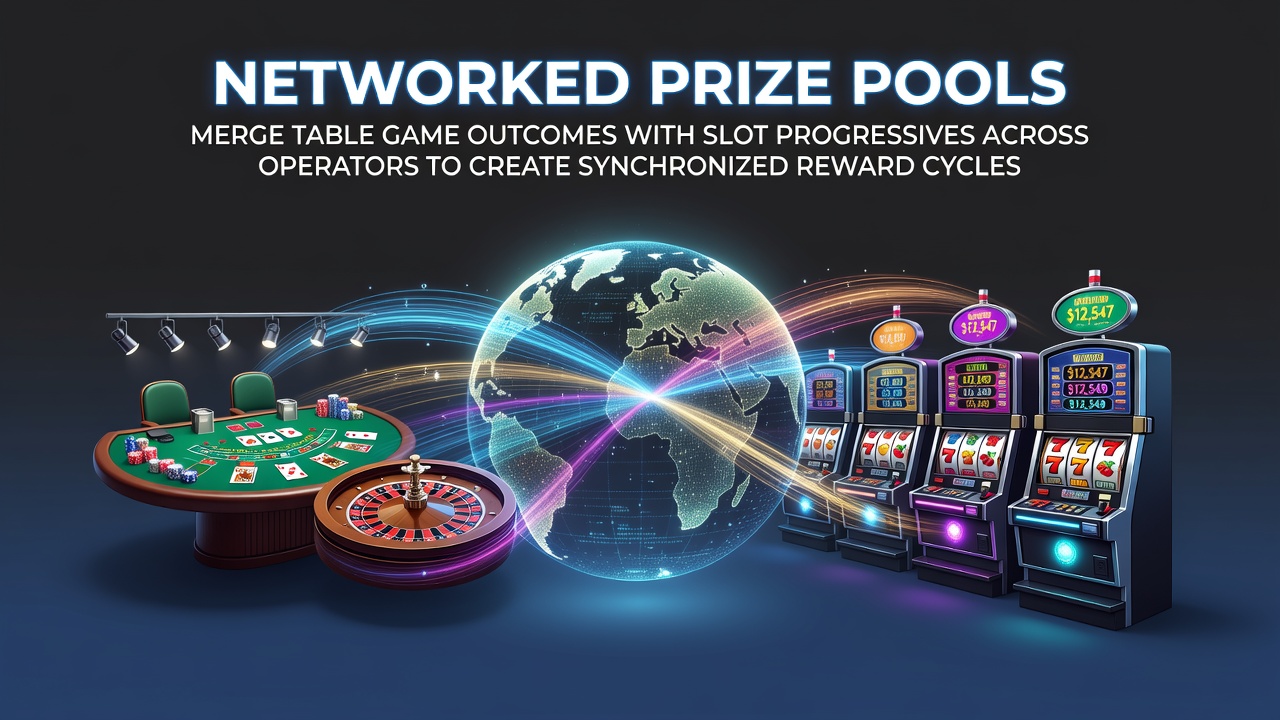
Networked prize pools now combine outcomes from table games such as blackjack and roulette with contributions from slot progressives, and this integration spans multiple operators to form synchronized reward cycles that trigger at coordinated intervals. Systems pull data from disparate platforms into shared pools where each hand played at a table or spin on a slot adds to a common jackpot meter. Operators in different regions connect through secure data exchanges that update balances in real time, allowing a single winning event to draw from activity generated across sites.
How Merged Pools Operate
Table game outcomes feed into the pool through electronic tracking systems that record every wager and result, while slot progressives contribute fixed percentages of each bet. The merged structure calculates a unified jackpot value that resets or escalates based on combined thresholds rather than isolated triggers. Synchronization occurs when algorithms align payout windows across participating venues, so a qualifying sequence at one operator can activate rewards distributed to players at linked locations. Data shows these cycles often run on hourly or daily schedules that adjust according to aggregate play volume.
Cross-Operator Connectivity
Multiple casino groups link their systems through centralized servers that standardize data formats and enforce contribution rules. A player at a table in one jurisdiction adds to the same meter as someone spinning reels at a distant property, and the shared pool grows until predetermined conditions align. Regulatory filings from the Nevada Gaming Control Board indicate that such networks require separate licensing for the data aggregation layer, which must meet encryption standards before cross-border transfers begin. Operators report that this setup reduces individual liability for large payouts because risk spreads across contributors.
Implementation requires consistent APIs that translate table game results into progressive increments identical to those generated by slots. Technicians monitor latency between sites to prevent timing discrepancies that could affect cycle synchronization. Figures from industry testing reveal average contribution rates of 1 to 3 percent from table wagers and 0.5 to 2 percent from slots, calibrated so neither format dominates pool growth.
Technological Framework Supporting Synchronization
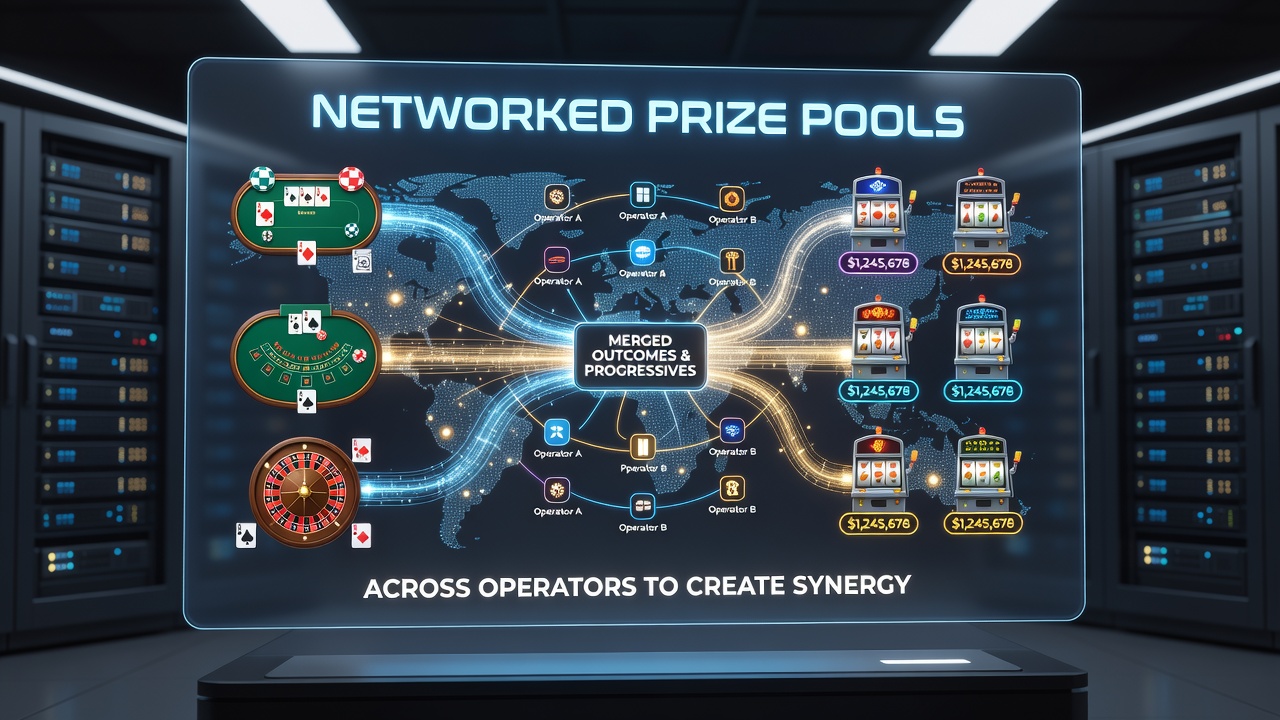
Real-time ledgers record every transaction and push updates to all connected terminals within milliseconds, while redundant backup nodes maintain continuity during outages. Algorithms monitor play patterns to predict when cycles will reach trigger points, allowing operators to schedule promotional announcements in advance. Research conducted by the University of Nevada, Reno gaming laboratory demonstrates that these predictive models achieve accuracy rates above 85 percent when calibrated against historical volume data from multiple properties.
Security protocols isolate each operator's internal systems from direct access while still permitting pool contributions, and audit trails capture every data packet exchanged between sites. In July 2026 several networks plan to activate expanded testing phases that incorporate additional table variants and new slot titles into existing cycles.
Regulatory Environment Across Regions
Jurisdictions require operators to submit detailed network architecture diagrams before approving synchronized pools, and agencies in Australia and Canada have issued joint guidance on data residency rules that affect how meters store contribution records. Compliance teams verify that payout percentages remain transparent to players regardless of which operator generated the winning sequence. Government reports from the Australian Communications and Media Authority document that merged systems must display current pool values uniformly across all participating platforms to maintain fairness standards.
Dispute resolution procedures specify which regulator handles claims when a winning cycle spans multiple territories, and memoranda of understanding between agencies outline information-sharing protocols. Operators maintain separate reserve funds sized according to the largest anticipated synchronized payout, which regulators review quarterly.
Player Participation Patterns
Tracking data indicates that participants engage with both table games and slots more evenly once they understand that activity in either format contributes to the same reward cycle. Session lengths extend because players monitor a single meter rather than separate progressives, and notifications alert users when cycles near activation thresholds. Aggregated statistics compiled by the Canadian Gaming Association show increased cross-format play after networks launch, with table game volume rising in tandem with slot activity at connected properties.
Promotional materials explain contribution mechanics without promising specific outcomes, and player education modules detail how synchronization timing works across operators. These resources appear in mobile apps and on-site terminals to ensure participants understand pool rules before placing wagers.
Conclusion
Networked prize pools that merge table game outcomes with slot progressives create synchronized reward cycles through standardized data exchanges and shared meters, and operators continue to expand these systems under evolving regulatory frameworks. Continued testing scheduled for July 2026 will incorporate additional game types and refine synchronization algorithms based on performance metrics gathered from current deployments. The structure distributes risk while maintaining verifiable fairness across all participating venues.