Mapping AI-Driven Personalization in Loyalty Reward Algorithms Across Multi-Platform Gaming Networks
Vera Keller · Aug 23, 2026
Mapping AI-Driven Personalization in Loyalty Reward Algorithms Across Multi-Platform Gaming Networks
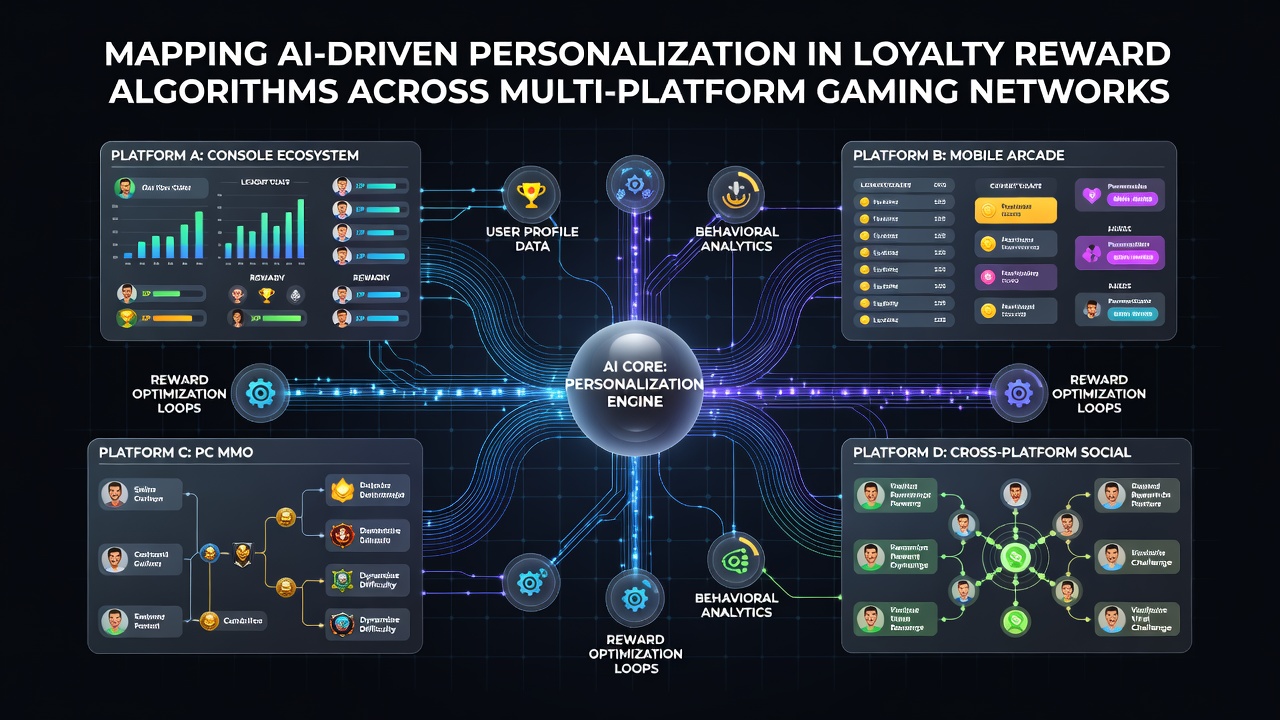
Developers and data specialists have traced the integration of artificial intelligence into loyalty reward systems that operate across multiple gaming platforms, where machine learning models process user behavior to adjust point allocations, tier upgrades, and redemption options in real time. These systems connect consoles, mobile applications, and browser-based environments so that player activity on one network influences reward availability on others, and the underlying algorithms rely on pattern recognition to predict engagement levels while maintaining consistent personalization rules.
Core Components of AI Personalization Engines
Engineers construct these engines around supervised learning frameworks that train on historical transaction logs, session durations, and in-game purchase records, then deploy reinforcement learning loops that refine reward offers based on immediate feedback from user responses. Data pipelines aggregate inputs from disparate sources such as console APIs, mobile telemetry streams, and cloud-based account databases, allowing the models to generate unified player profiles that travel across platforms without requiring manual synchronization. Studies from research institutions indicate that such unified profiles reduce reward duplication rates by measurable margins while increasing redemption frequency across linked accounts.
Feature extraction layers identify variables including play frequency, genre preferences, and social interaction metrics, after which clustering algorithms segment users into dynamic cohorts that receive differentiated incentive structures. Gradient boosting techniques and neural network variants handle the high-dimensional data volumes generated by simultaneous sessions on separate networks, and these methods enable rapid recalculation of loyalty multipliers when a player shifts from one platform to another.
Cross-Platform Data Flows and Algorithm Mapping
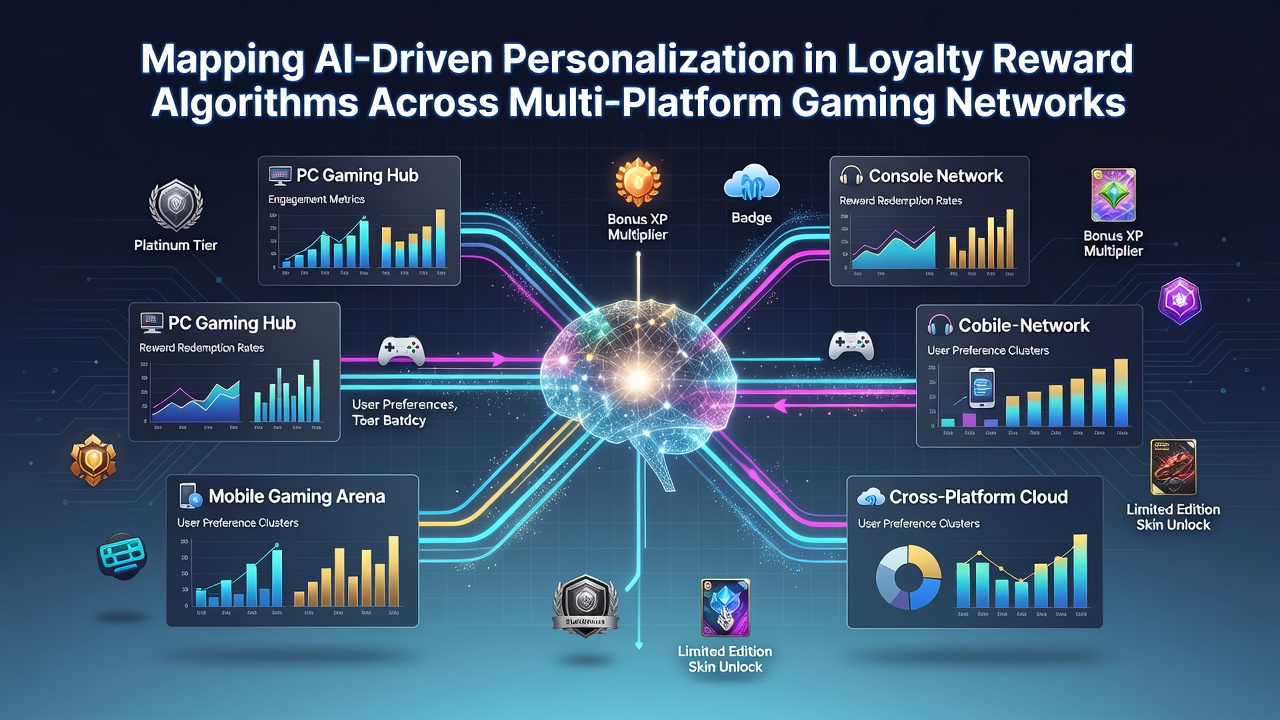
Mapping exercises performed by technical teams reveal how data flows move through secure middleware layers that normalize formats from different gaming environments before feeding them into central AI repositories. Tokenized identifiers replace raw account details during transmission, which supports compliance with regional privacy statutes while preserving the granularity needed for accurate personalization. Observers note that latency in these flows has decreased as edge computing nodes assume portions of the preprocessing workload, particularly in regions where 5G infrastructure supports faster handoffs between mobile and console sessions.
Implementation Patterns Observed in 2026
Industry reports compiled through August 2026 document expanded deployment of these mapped systems in major gaming networks, with several operators publishing technical white papers that outline their model architectures. One analysis conducted by academic groups at Australian universities examined reward uplift metrics after AI personalization layers were introduced across three linked platforms, recording shifts in average session length and cross-platform migration rates. Similar documentation from Canadian research consortia highlighted how seasonal event triggers interact with the core algorithms to produce temporary loyalty boosts that reset according to predefined decay functions.
Regulatory bodies in multiple jurisdictions have begun requesting algorithmic transparency reports that detail the variables weighted most heavily in reward calculations, and these requests have prompted developers to publish simplified flow diagrams that illustrate decision trees without exposing proprietary training data. Figures released by the European Gaming and Betting Association show steady growth in the number of multi-platform loyalty programs that incorporate real-time AI adjustments, with the majority citing improved retention figures after initial rollout phases.
Technical Challenges in Maintaining Consistency
Engineers continue to address synchronization issues that arise when one platform experiences an outage or when regional servers apply differing update schedules, and they mitigate these disruptions through fallback rules that default to the most recent synchronized profile state. Anomaly detection modules flag unusual activity patterns that could indicate account sharing or automated scripting, triggering temporary reward holds while human review teams examine the flagged cases. Resource allocation models balance computational demands so that personalization calculations do not introduce noticeable delays during peak usage periods across global networks.
Those who have studied these implementations report that versioning controls for the AI models themselves have become critical, because simultaneous updates across all connected platforms can produce unintended reward discrepancies if rollback procedures are not executed uniformly. Testing environments replicate production data flows at reduced scale to validate changes before wider release, and automated monitoring dashboards track divergence metrics between expected and observed reward distributions.
Conclusion
Comprehensive mapping of AI-driven personalization in loyalty reward algorithms continues to evolve as gaming networks expand their interconnected infrastructure, with documented practices centering on unified data models, adaptive learning loops, and transparent reporting mechanisms. Developments tracked through August 2026 reflect ongoing refinement of these systems rather than wholesale replacement, and the patterns identified by researchers provide reference points for future iterations that maintain cross-platform coherence while respecting regulatory boundaries.