How Loyalty Algorithms in Hybrid Platforms Steer Players Toward Progressive Slots Over Live Tables During Off-Peak Windows
Tina Braun · Aug 28, 2026
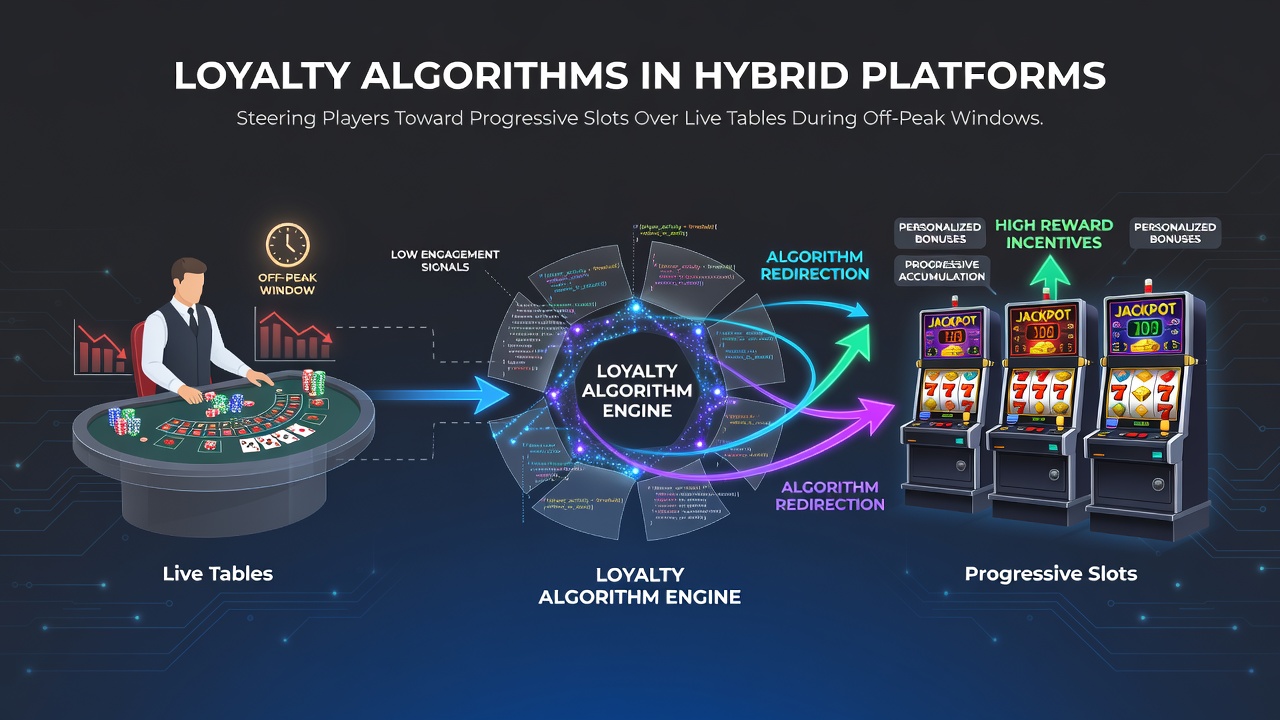
How Loyalty Algorithms in Hybrid Platforms Steer Players Toward Progressive Slots Over Live Tables During Off-Peak Windows
Hybrid gaming platforms combine digital slot libraries with live dealer tables, and operators deploy loyalty algorithms that track player activity across both formats in real time. These systems adjust reward multipliers, bonus triggers, and promotional offers based on session timing, platform load, and historical behavior patterns.
Data from platform analytics indicate that during off-peak windows such as weekday mornings and late-night shifts, the algorithms prioritize progressive slots because these games feature accumulating jackpots that draw extended play without requiring simultaneous table staffing. Live tables demand dealer resources and generate lower per-minute revenue when player volume drops, so the software surfaces slot incentives first.
Mechanics of Algorithmic Steering
Operators integrate player tracking software that assigns loyalty points at variable rates, and the rate scales higher for progressive slot spins during identified low-traffic periods. The system monitors metrics including average bet size, session duration, and game type, then applies conditional multipliers that favor slots linked to wide-area progressive networks. Players receive push notifications and in-app banners highlighting current jackpot levels, while live table options remain visible but receive no comparable point boosts until peak hours return.
Research conducted by the University of Nevada, Reno gaming laboratory shows that such adjustments increase slot engagement by measurable margins during off-peak intervals without altering overall house edge. The algorithms also factor in regional time zones so that recommendations align with local player availability, creating synchronized pushes across multiple jurisdictions.
Off-Peak Timing and Revenue Considerations
Off-peak windows typically occur between 2 a.m. and 10 a.m. local time on weekdays, periods when live table utilization falls below 30 percent capacity according to internal operator reports. Progressive slots operate continuously without additional labor costs, allowing platforms to maintain revenue flow while live dealers rotate to other duties or take scheduled breaks. In August 2026, several major hybrid operators reported that slot-focused loyalty campaigns during these windows produced a 22 percent rise in handle compared with the same period in 2025.
The algorithms further segment players by loyalty tier, directing higher-tier members toward linked progressive games that contribute to shared jackpot pools. Lower-tier accounts receive smaller but more frequent slot bonuses, keeping them engaged until traffic increases and live tables become the priority again.
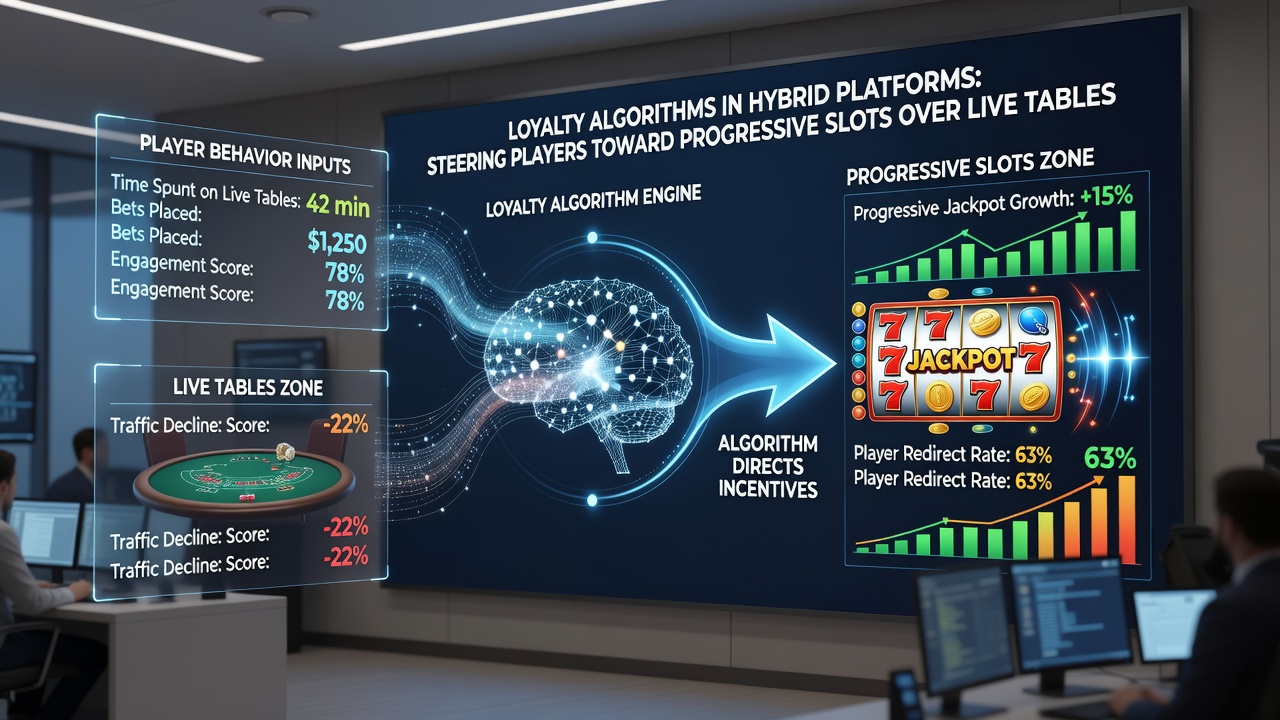
Player Behavior Patterns and Platform Responses
Observers note that players often begin sessions on live tables yet switch formats once the algorithm displays escalating progressive totals paired with instant point multipliers. Session logs reveal that average dwell time on slots extends by 14 minutes when off-peak incentives activate, whereas live table sessions shorten unless the player specifically overrides the recommendation. Hybrid platforms record these overrides and adjust future offers accordingly, creating individualized steering paths that still converge on slot products during quiet hours.
Canadian regulatory filings from the Alcohol and Gaming Commission of Ontario document similar patterns among licensed operators, where progressive slot promotions during low-volume periods correlate with reduced table game complaints about wait times. The data also show that players who accept slot recommendations return to live tables at higher rates once peak windows resume, suggesting the steering functions as a temporary bridge rather than a permanent substitution.
Technical Integration Across Formats
Modern loyalty engines connect slot servers and live dealer streams through unified player accounts, allowing seamless point accumulation regardless of format. During off-peak windows the engine recalibrates reward tables every 15 minutes based on real-time occupancy data, shifting emphasis toward progressive titles when table seats remain empty for extended intervals. This recalibration draws from historical datasets that predict traffic spikes, ensuring slot offers taper off automatically as live tables fill.
Industry reports compiled by the Australian Institute of Gambling Research highlight that such dynamic adjustments help operators comply with responsible gaming guidelines by limiting aggressive table promotions when staffing levels are reduced. The same systems flag players who exhibit rapid format switching and apply cooling-off prompts at predefined thresholds.
Conclusion
Hybrid platforms rely on loyalty algorithms that systematically direct activity toward progressive slots during off-peak windows because these games deliver consistent revenue with minimal operational overhead. The approach maintains player engagement across fluctuating traffic periods while preserving live table capacity for higher-demand intervals. Continued refinement of these systems depends on aggregated behavioral data and regulatory oversight from bodies such as the Nevada Gaming Control Board, which monitors compliance across both digital and physical environments.