Decoding Audio Engineering Tactics That Steer Choices in Virtual Gaming Lobbies
Finley Schulz · Jul 28, 2026
Decoding Audio Engineering Tactics That Steer Choices in Virtual Gaming Lobbies
Virtual gaming lobbies rely on carefully crafted soundscapes that guide player navigation and decision making, and researchers have documented these patterns across multiple platforms since the early 2020s. Audio engineers layer ambient tracks, notification chimes, and dynamic music shifts to create environments where users linger longer or select specific games without realizing the influence at work. Data from platform analytics shows that subtle adjustments in frequency ranges and timing correlate with measurable changes in session length and game selection rates.
Core Audio Layers in Digital Lobbies
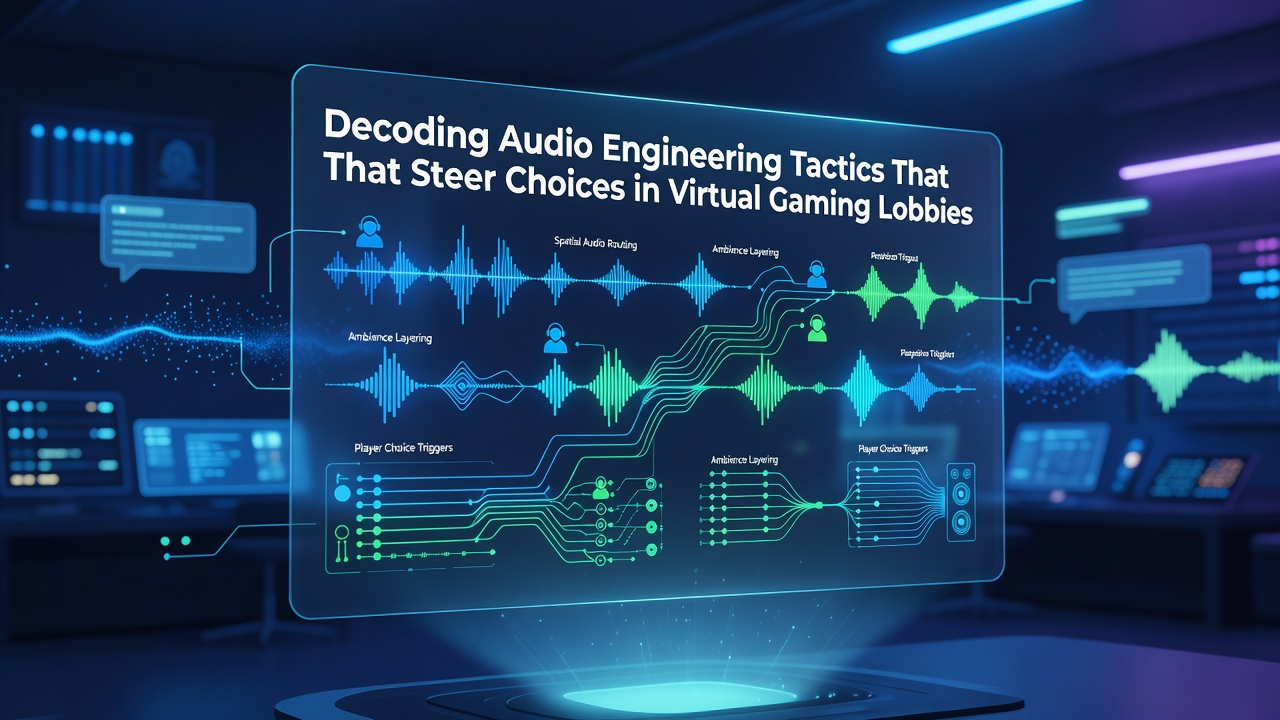
Engineers build virtual lobbies around three primary audio layers that operate simultaneously. Background tracks establish a steady rhythm that fills silence while avoiding direct attention, transition sounds mark movement between menus or game selections, and reward cues punctuate wins or near-misses with distinct tonal patterns. Studies from the University of Las Vegas Gaming Research Center indicate that these layers interact to reduce perceived wait times during loading sequences, which keeps players engaged through brief pauses that might otherwise prompt exits.
Frequency modulation forms another key tactic. Lower bass frequencies around 80 to 120 Hz create a sense of immersion that encourages extended presence, whereas higher mid-range tones between 2 kHz and 5 kHz draw focus toward specific buttons or game thumbnails. Platform logs from major operators reveal that when engineers raise these mid tones during promotional periods, click-through rates on featured titles increase by percentages that vary by region and time of day.
How Sound Influences Game Selection
Choice architecture in audio design extends beyond atmosphere into direct steering of selections. Distinct chime sequences assigned to different game categories help players associate certain sounds with positive outcomes, and repeated exposure strengthens these associations over multiple sessions. Observers note that jackpot-style games often receive brighter, ascending arpeggios that stand out against the lobby mix, while table games use steadier, more neutral tones that suggest strategy over chance.
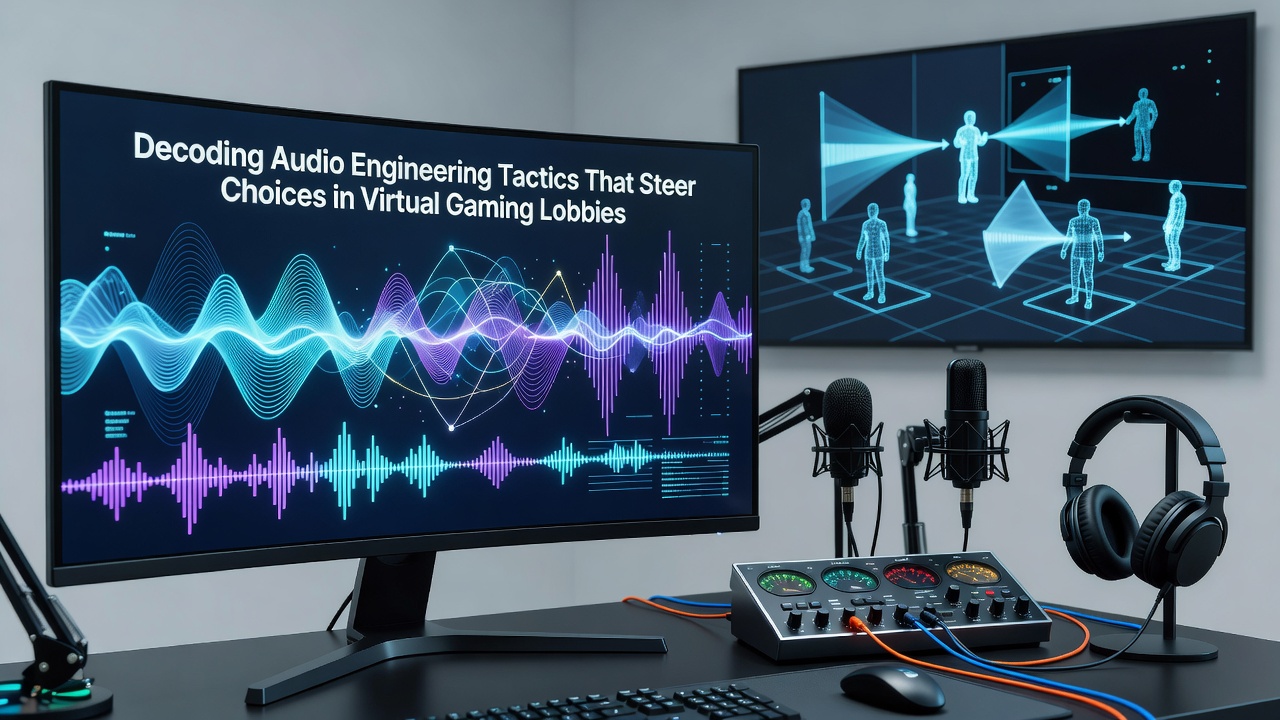
Timing plays an equally important role. Sounds that trigger within 300 milliseconds of a user action reinforce the sense of immediate feedback, and this quick response loop encourages further clicks. Engineers adjust decay rates so that celebratory sounds fade at rates that match typical attention spans, preventing overlap that could create auditory fatigue. Reports compiled by the Australian Institute of Gaming Studies in 2025 documented how these timing adjustments shifted average bets per session across tested user groups.
Regional Adaptations and Regulatory Context
Audio strategies differ across jurisdictions because local regulations shape what engineers can emphasize. In North American markets, platforms often calibrate sounds to comply with advertising standards that limit direct inducements, whereas European operators focus on transparency cues embedded in the audio itself. The Canadian Centre for Gaming Research published findings in early 2026 that compared lobby sound profiles across provinces and found consistent differences in volume envelopes tied to responsible gaming messaging requirements.
July 2026 brought new data from the Japan Casino Gaming Association that tracked audio-driven retention in emerging virtual platforms. Their analysis showed that localized language cues combined with culturally familiar musical motifs increased repeat visits among domestic users by double-digit margins compared with generic international sound packs. Engineers working on these platforms now test multiple audio variants during beta phases to identify which combinations produce the most stable engagement patterns.
Technical Implementation and Measurement
Modern development pipelines integrate audio engineering with real-time analytics that track user paths through the lobby. Engineers monitor metrics such as dwell time on specific tiles, conversion from lobby to game launch, and return rates after short breaks. These measurements allow iterative refinements where individual sound elements are swapped or rebalanced without altering visual layouts. Machine learning models now predict how proposed audio changes might affect behavior before deployment, shortening testing cycles from weeks to days.
Hardware variations add another layer of complexity. Mobile devices reproduce frequencies differently than desktop setups, so engineers create adaptive mixes that maintain intended effects across speaker sizes and headphone types. Compression algorithms adjust dynamic range on the fly to prevent distortion on lower-quality audio outputs while preserving the clarity of reward cues that drive continued play.
Conclusion
Audio engineering in virtual gaming lobbies functions as a systematic tool that shapes navigation and selection through layered frequencies, timed cues, and adaptive mixes. Research from academic centers and regional gaming associations continues to quantify these effects, while regulatory frameworks in multiple countries influence how far platforms can push auditory persuasion. As measurement tools grow more precise and July 2026 data sets become available for broader analysis, the field will likely see further refinement in how sound steers choices without crossing into overt manipulation.