Cracking the Code on Slot RTP: Myths, Math, and Platform Picks
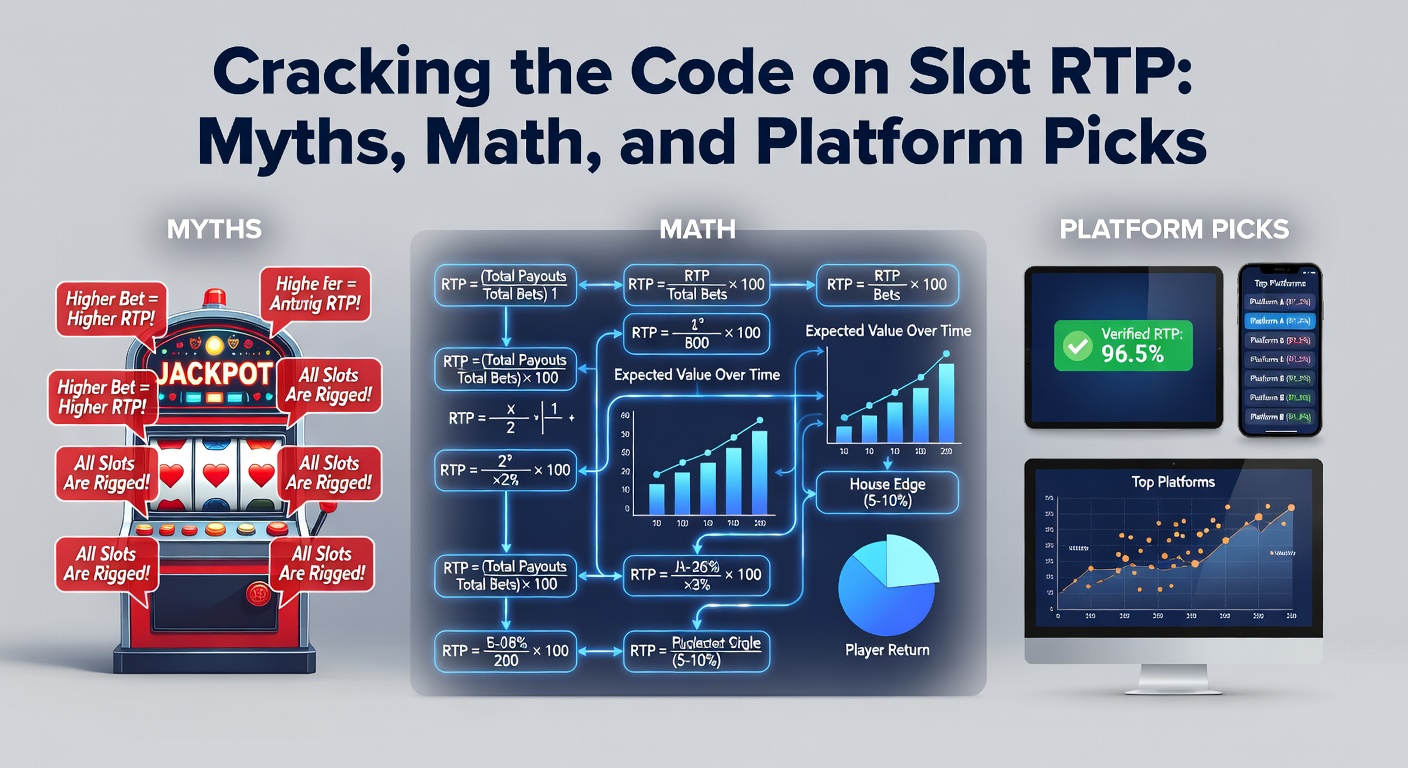
Unpacking RTP: The Core Concept Behind Slot Returns
Slot machines draw players with their flashing lights and promise of big wins, yet at the heart of every spin lies Return to Player—or RTP—a percentage that reveals how much a game pays back over time. Developers program slots so RTP reflects long-term payouts; for instance, a 96% RTP means the game returns $96 for every $100 wagered, although short-term results swing wildly due to randomness. Regulators worldwide enforce transparency around these figures, ensuring operators disclose RTPs accurately.
What's interesting is how RTP varies across games; classic three-reel slots often hover around 90-95%, while modern video slots push toward 98% in some cases, according to data from testing labs like eCOGRA. Players who dig into paytables uncover these numbers upfront, a practice that's become standard since the early 2010s when online casinos ramped up competition.
Busting the Biggest Slot RTP Myths
One persistent myth claims slots go through "hot" and "cold" streaks, where machines pay out big after losses or tighten up post-jackpot; researchers have debunked this repeatedly, as each spin operates independently thanks to random number generators (RNGs). Casinos don't control outcomes post-deployment, and independent auditors verify RNG fairness quarterly in jurisdictions like New Jersey.
Another tall tale suggests timing matters—spin at midnight or after a big win—and while crowds thin out late nights, the math stays unchanged; data from the New Jersey Division of Gaming Enforcement shows no correlation between spin timing and RTP realization. Turns out, the house edge persists regardless, baked into the game's design from launch.
And here's the thing about "loose slots": venues sometimes advertise high-payout areas, but online platforms level the field since RTPs display openly; observers note that physical casinos cluster machines strategically, yet online equivalents deliver identical math without the smoke and mirrors. Studies from the University of Nevada's gaming research center confirm these patterns hold across thousands of sessions.
- Myth: Casinos adjust RTPs daily—Reality: Software locks prevent this; changes require recertification.
- Myth: Near-misses boost future wins—Reality: They're visual tricks; RNG decides instantly.
- Myth: Higher bets unlock better RTP—Reality: Most slots scale proportionally, though progressive jackpots differ.
The Math That Powers Slot RTP
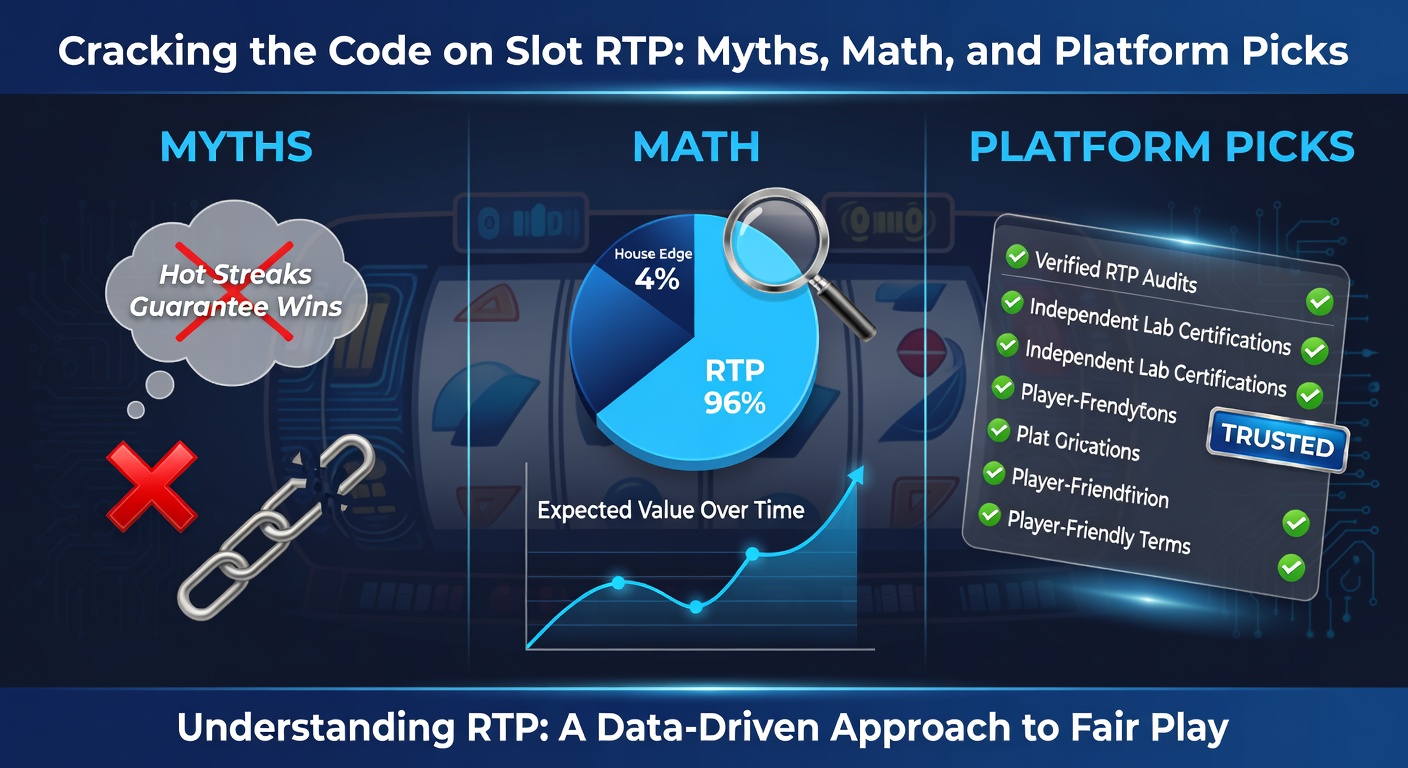
Random number generators form the backbone, churning out billions of outcomes per second so every spin lands on a pre-determined probability tree; developers simulate millions of plays to hit target RTPs, balancing wins with the house edge—that 2-10% slice ensuring casino profitability over time. Volatility adds the twist: low-volatility slots drip frequent small wins aligning closer to RTP quickly, whereas high-volatility beasts like Dead or Alive 2 chase massive multipliers but demand patience.
Figures reveal the spread; take NetEnt's Starburst at 96.09% RTP with medium volatility, delivering steady action, or Play'n GO's Book of Dead at 96.21% but sky-high variance that stretches dry spells. Experts calculate effective RTP through formulas like total payouts divided by total wagers across simulated cycles, a process refined by algorithms since the 1990s.
But here's where it gets interesting—in April 2026, as blockchain integration hits slots on platforms like those licensed in Ontario, provably fair RNGs let players verify outcomes on-chain; the Alcohol and Gaming Commission of Ontario reports early adopters showing RTPs matching published figures within 0.1% after 10 million spins. Variance equations factor in hit frequency and max win caps, helping players match games to bankrolls; for example, a 97% RTP slot with 5% volatility suits casual spins, while 99% max-win potential tempts high-rollers.
Those who've crunched the numbers know hit frequency—say 25% on average—dictates rhythm, and bonus buy features emerging in 2025-2026 editions shortcut volatility for fixed costs, though they don't alter core RTP.
Navigating Volatility and Variance in Practice
Volatility charts paint the full picture; low settings mean 100-500 spins to approach RTP, medium takes 1,000-5,000, and high? Often 50,000+ sessions before math evens out—data from iTech Labs audits backs this across 500+ titles. Players often find low-volatility games like Gonzo's Quest Megaways (96% RTP) forgiving for extended play, while high-flyers such as Money Train 3 (96.10%) deliver adrenaline via 10,000x potentials.
So, bankroll management ties directly in; a $1,000 roll suits 1,000 spins at $1 each on medium-volatility slots, minimizing ruin risk per simulations from gaming math experts. Jackpot slots complicate things further—progressives siphon 1-2% RTP into pools, dropping base games to 92-94%, yet that's where life-changing hits hide.
Top Platforms Delivering High-RTP Action
Platforms shine when they curate libraries boasting average RTPs above 96%, audited by bodies like Gaming Laboratories International (GLI); BetMGM, licensed in multiple US states, averages 96.5% across 1,500+ slots as of early 2026 reports, featuring exclusives like MGM Grand Millions. Internationally, LeoVegas—holding Malta and Swedish licenses—posts 97.2% averages on select NetEnt and Quickspin titles, per their public dashboards.
Australia-facing sites under Northern Territory oversight, such as PlayCroco, emphasize 97%+ RTP pokies like Big Bad Wolf (97.35%), blending Megaways mechanics with solid math. Canadian players gravitate toward sites like Jackpot City, Ontario-regulated, where French Roulette hybrids boost slot RTPs through cross-promos.
What's significant is aggregation; multi-provider hubs like DraftKings mix Pragmatic Play's 98% Gates of Olympus with Evolution's branded slots, all GLI-tested. Observers track these via affiliate data, noting seasonal promos in April 2026—like RTP-boosting free spins on 97%+ games—drawing record traffic amid crypto slot surges.
One case stands out: a 2025 study by the American Gaming Association analyzed 10 platforms, finding those with transparent RTP filters (e.g., PokerStars Casino) retain players 30% longer, as users self-select volatility matches.
Tips from the Data: Maximizing RTP Encounters
Filters rule; platforms sorting by RTP let users chase 98% unicorns like Ugga Bugga (99.07%), a rare hold-and-spin relic. Demo modes reveal mechanics sans risk, with 80% of players testing 5-10 games first per survey data. And while max bets rarely juice RTP, they unlock full paylines on some legacy titles.
Yet progressive networks demand caution; RTP dips until seeds mature, so timing entries post-major drops pays off mathematically. Community trackers like SlotCatalog aggregate user-submitted session data, aligning closely with lab figures over 100,000+ spins.
Conclusion
Slot RTP boils down to certified math overriding myths, with RNGs ensuring fairness and volatility shaping the ride; platforms excelling in high-RTP curation—think BetMGM's 96.5% averages or LeoVegas's 97.2% showcases—stand out amid 2026's blockchain shifts. Data consistently shows informed picks and bankroll discipline turning swings into sustainable play, as April's regulatory updates from Ontario to Nevada underscore ongoing transparency gains. Those who grasp the numbers navigate slots smarter, where the code cracks open reliable edges over endless spins.